

What the Cat 307 Is and Why Buyers Seek It Out
Have you scrolled through used excavator listings and seen 307B, 307D, 307E2 and 307.5 side by side, with prices all over the map? You're not alone. Before you compare a single price tag, it helps to know exactly what kind of machine you're looking at.
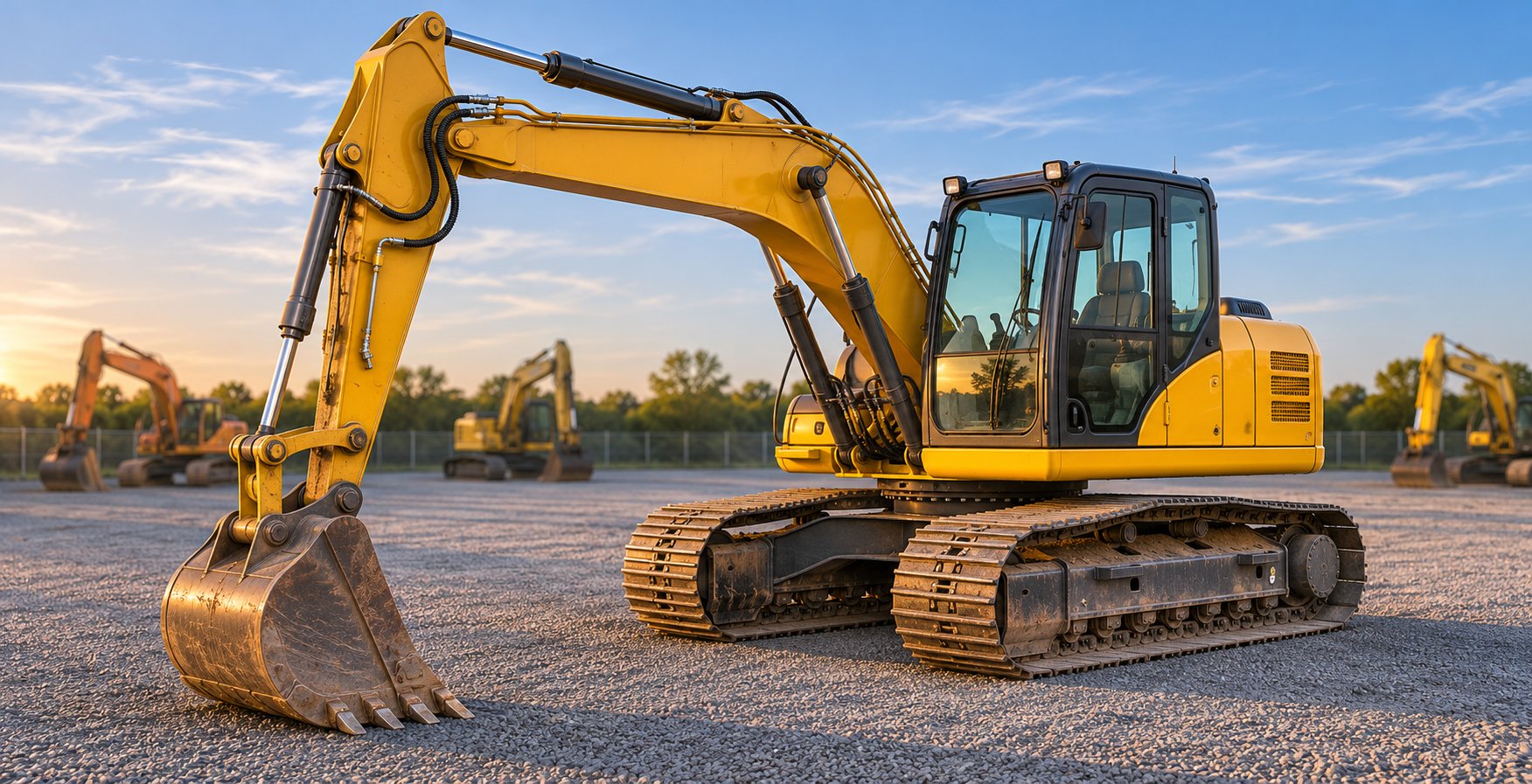
The Cat 307 is Caterpillar's 7-8 metric ton class of crawler excavators. Marketplace listings commonly cite operating weights of roughly 16,000-18,000 lb, depending on generation and configuration. It sits between compact mini excavators and larger mid-size machines.
What Is a Cat 307 Excavator
Think of the Cat 307 as the middle ground. It is heavier and more capable than compact models, yet lighter and easier to haul than mid-size excavators. That balance makes it a common choice for:
- Utility trenching for water, sewer and cable lines
- Site prep and grading on residential and light commercial jobs
- Landscaping and hardscape projects
- Demolition support and material handling
- Roadside and municipal work
Many buyers who start out browsing caterpillar 303 for sale listings move up to the 307 once they realize their jobs call for more digging power and stability.
Why the Caterpillar 307 Excavator Remains a Popular Used Buy
The caterpillar 307 excavator has been built across multiple generations, so there is a large pool of used units to choose from. You'll notice that all five leading listing sites let you filter by 307 variants. The catch? That availability comes with a confusing mix of model names, model years and asking prices. Two machines with nearly identical names can differ a lot under the skin.
How to Use This Buyer's Guide
Treat this guide as the editorial companion to the live inventory pages you're already browsing. Listings show you what is available. This guide helps you judge it. Here's what follows:
- The model lineage, generation by generation
- How to read specs without getting misled
- Size class and tail-swing fit for your jobsite
- Emissions-era maintenance considerations
- Used pricing and what drives it
- A system-by-system inspection checklist
- Where to buy and how to plan total cost
It all starts with the letters and numbers after '307' on the decal, because a single suffix can point to a very different machine.
The Cat 307 Model Lineage Explained Generation by Generation
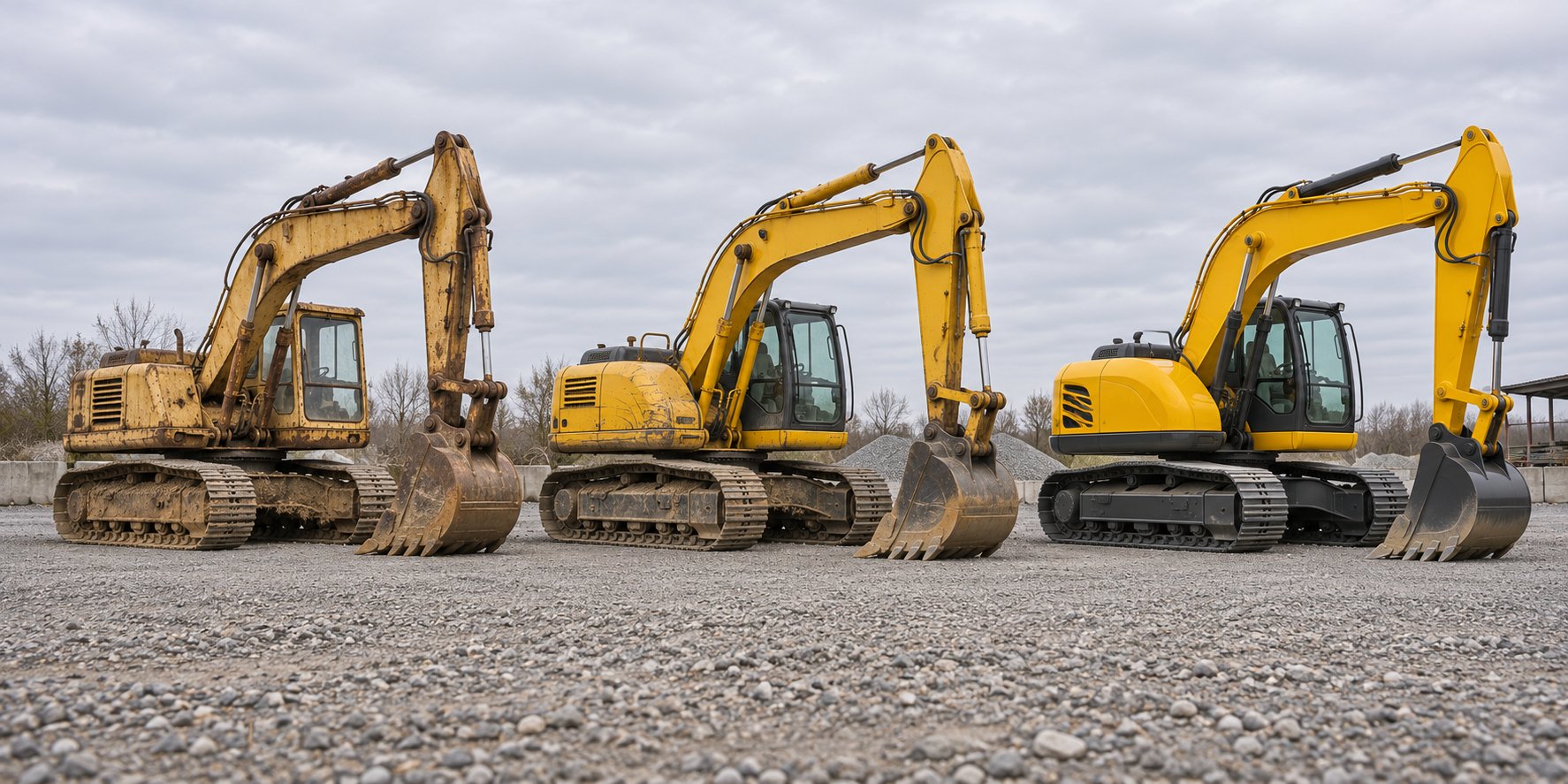
Why does a 307B sell for a fraction of a 307E2's price when both carry the same three digits? The answer is in the lineage. Each suffix marks a different generation, and each generation reflects the engine, emissions and electronics standards of its time. When you know the order, the listings start to make sense.
Early Generations From the Original 307 to the 307B Cat Excavator
The original Caterpillar 307 and the 307B make up the oldest group you'll see on marketplaces. You'll also see the 307B SB as a separate filter, so check exactly what that label covers on the specific machine. These units are usually the cheapest. They are also the most likely to be listed as parts machines or non-runners.
Their appeal is simplicity. Fewer electronics and no modern aftertreatment can mean easier field repairs. The trade-off is age. Imagine finding a low-priced unit, then learning that key components are worn out or hard to source. With early machines, condition matters far more than the badge.
The Cat 307C and 307D Middle Years
The 307C and 307D are transitional generations. Over these years, the general direction across the industry moved toward cleaner-burning engines built to stricter emissions tiers, more refined hydraulic control, and more comfortable, better-equipped cabs. Many buyers see this middle range as a balance between price and modern features. Still, the exact engine, emissions rating and hydraulic setup can vary by market and build. Never assume them from the model name alone.
Cat 307E, 307E2 and the Next Generation 307.5
The later models, including the 307E, the 307E2 and the Next Gen 307.5 and 307 CR, generally carry more advanced emissions systems and more electronics. Depending on the market a machine was built for, that can include diesel aftertreatment. The 307SSR filter points to a short swing radius design, and reduced swing designs continue in the Next Gen lineup. These machines usually command higher prices. In exchange, you get newer technology and often fewer hours, along with more systems to check.
| Generation | General Era Position | Emissions Considerations | What Buyers Should Verify |
|---|---|---|---|
| 307 | Early | Older engine design, no modern aftertreatment expected | Running condition, parts availability, jobsite eligibility |
| 307B / 307B SB | Early | Older emissions standards | Whether it is a working unit or a parts machine, and what the SB label means |
| 307C | Mid | Transitional, varies by market | Engine type, hydraulic condition, service records |
| 307D | Mid | Transitional, varies by market | Emissions rating, electronics, hours versus wear |
| 307E / 307E2 | Late | May include aftertreatment, depending on market | Fault codes, emissions service history, configuration |
| 307SSR | Varies | Depends on build year and market | Swing type, generation, serial number |
| 307.5 / Next Gen 307 CR | Late | Most advanced systems in the range | Software, aftertreatment, warranty status |
Before you shortlist any caterpillar 307 excavator for sale, ask the seller for the serial number and have a Cat dealer confirm the exact generation, configuration and emissions rating.
Knowing the generation is only half the picture. Even two machines from the same generation can show very different numbers on paper, and that is where many listing tables quietly lead buyers astray.
Reading Cat 307 Excavator Specs Without Getting Misled
Ever compared two listings for the same model and found numbers that don't match? It happens all the time. Spec tables are useful, but only if you know what each field means and where the number really came from.
Key Caterpillar 307 Specs Every Buyer Should Check
When you review a caterpillar 307 for sale, a handful of specs tell you whether the machine can actually do your work. The table below explains each one. Only the operating weight carries a figure here, because the other values change by generation and configuration. Pull those from the official Caterpillar spec sheet for the exact machine.
| Spec | Why It Matters | Where to Verify |
|---|---|---|
| Operating weight (roughly 16,000-18,000 lb / 7-8 t, varies by build) | Drives trailer and towing needs, transport permits and stability on slopes | Cat spec sheet for the specific generation, dealer records |
| Engine model and net horsepower | Affects hydraulic performance, parts sourcing and which emissions rules apply | Engine plate, serial number check with a Cat dealer |
| Max dig depth | Tells you if it can reach your trench, footing or utility depth | Spec sheet matched to the installed stick length |
| Max reach | Sets how far you can work from a trench edge or load a truck | Spec sheet matched to boom and stick configuration |
| Bucket capacity | Determines material moved per cycle and productivity | Bucket tag or stamping, seller photos, spec sheet |
| Bucket and stick breakout force | Shows digging power in hard, rocky or compacted ground | Official spec sheet for the generation |
| Tail swing type | Decides whether it can work close to walls, traffic or obstacles | Model designation, visual check, serial number |
| Transport dimensions and weight | Affects shipping cost, height clearance and permit needs | Spec sheet plus the weight of any added attachments |
Why Cat 307 Excavator Specs Vary Between Listings
Two machines wearing the same badge can produce different numbers on paper. You'll notice variation from several sources:
- Generation: a 307B and a 307E2 were built to different engine and emissions standards.
- Configuration: cab, track type and hydraulic options all change the figures.
- Stick length: a longer stick adds reach and depth but can lower breakout force.
- Counterweight: extra counterweight changes operating weight and stability.
- Attachments: thumbs, couplers and larger buckets add weight and change transport figures.
There's another trap. Seller listings sometimes put numbers in the wrong field. Imagine seeing a weight figure under bucket capacity. That's a clear sign the table was filled in carelessly. Never trust a single listing table on its own, no matter how official it looks.
How to Confirm 307 Cat Excavator Specs by Serial Number
The serial number is your most reliable shortcut to the truth about any 307 cat excavator. Use it like this:
- Ask the seller for the serial number and a clear photo of the machine's serial plate.
- Check that the plate matches the model and generation named in the listing.
- Take the serial number to a Cat dealer to confirm the original configuration.
- Compare the listing against the official Caterpillar spec sheet for that generation.
- Request dealer service history tied to the serial number.
- Note any differences in stick, counterweight or attachments, and adjust the specs to match.
Verified numbers tell you what a cat 307 for sale really is. They don't yet tell you whether it will fit through your gate, onto your trailer or beside a busy roadway. That depends on size class and tail swing.
Choosing the Right Size and Tail Swing for Your Jobsite
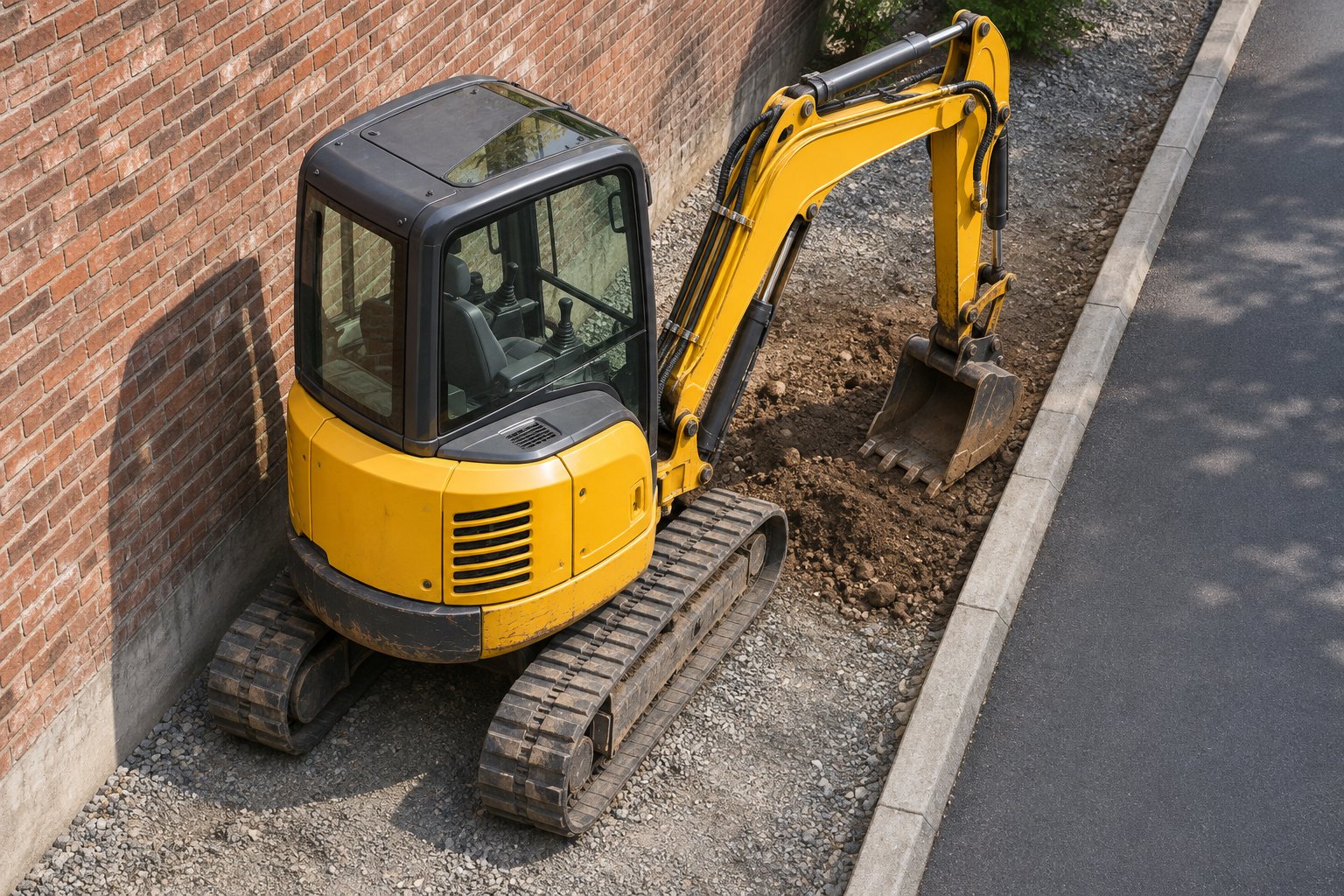
Picture a tight residential lot with a fence on one side and a driveway full of parked cars on the other. A machine can have plenty of digging power and still be the wrong choice if its rear end swings into everything nearby. Size class and tail swing decide where a 307 can actually work.
Standard Tail vs Cat 307SSR and 307.5 Reduced Swing Designs
On a conventional tail swing excavator, the counterweight extends past the tracks when the upper structure rotates. The design is simple and stable, but the operator has to leave clearance behind the machine. Many older units are conventional tail designs, yet you shouldn't assume that from a 307b cat excavator or cat 307c badge alone. Check the actual machine.
Short or reduced swing radius machines keep the counterweight closer to the track width. The 307SSR label points to this layout, and the Next Gen 307.5 is also built around a reduced swing design. You'll notice the benefits right away on:
- Tight urban lots and backyards
- Roadside jobs where one lane stays open to traffic
- Work beside walls, buildings or utility poles
The trade-off? A more compact rear end can change balance and lifting behavior. When you browse cat 307.5 for sale listings, review the load chart for the exact configuration before you plan any lifting work.
Comparing the 307 Cat Excavator With Adjacent Cat Sizes
Many buyers shop across sizes. Smaller Cat models in the 303/305 range are easier to transport and fit into tighter spaces, but they give up digging depth, reach and stability. The larger 308 adds capability, along with heavier transport needs. The 307 sits in between, which is why it covers so many jobs.
Alternatives to the Cat 307 in the 7-8 Ton Class
Other major manufacturers build machines in this same class. Headline specs often look similar on paper. The bigger differences tend to show up in local dealer support, parts availability and resale value, so compare those first.
| Machine Class | Typical Job Fit | Transport Considerations | Best For |
|---|---|---|---|
| Cat 303/305 range | Light trenching, landscaping, interior or backyard work | Lighter trailer and tow vehicle requirements | Tight access and frequent moves |
| Cat 307 standard tail | Utility trenching, site prep, general excavation | Needs a properly rated trailer and tow vehicle | Open sites where rear clearance isn't a problem |
| Cat 307SSR / 307.5 reduced swing | Urban, roadside and wall-side work | Similar class to the standard 307, so verify the actual weight | Confined sites and work next to traffic |
| Cat 308 | Heavier digging, larger trenches, more lifting | Heavier hauling setup, permits may apply | Contractors who need more capacity |
| Other brands, 7-8 t class | Comparable general excavation | Varies by model and configuration | Buyers with strong local dealer support for that brand |
Before you commit to a size, run through these questions:
- How deep and how wide are your typical trenches?
- Do you often work within a few feet of walls, fences or traffic?
- Can your current trailer and tow vehicle legally haul the machine plus attachments?
- Will you lift pipe, boxes or other materials regularly?
- Is there a dealer nearby that supports the brand you're considering?
Fit on the jobsite is only part of the picture. A cat 307e2 and an older 307B might both suit the same lot, but they make very different demands on your service routine once the engine starts.
How Emissions Era Changes Maintenance and Inspection Needs
Two listings show similar hours. Why might one cost more to keep running than the other? Often the answer is in the exhaust system. The emissions era a machine was built in shapes what you inspect, what you budget for and where you can legally work it. You won't always find it in caterpillar 307 specs tables, but it matters just as much.
Pre-Aftertreatment Cat 307 Models and What They Mean for Maintenance
Earlier machines without diesel aftertreatment are mechanically simpler. They have fewer sensors, fewer filters and fewer fault codes to chase. Many owners find them cheaper to maintain and easier to repair in the field. For example, a well-kept caterpillar 307c may appeal to buyers who handle their own service.
Simpler doesn't mean problem-free, though. Watch for these issues:
- Older engines that may need major work sooner
- Parts that can get harder to source as models age
- Jobsite or regional rules that may restrict older engines on some projects
DPF-Equipped Later Generations Such as the Cat 307E2
Depending on the market they were built for, later machines may carry a diesel particulate filter and related aftertreatment. The filter traps soot and then burns it off through a process called regeneration. Sounds simple? In practice, it adds new maintenance needs:
- Regeneration behavior: frequent or interrupted regenerations can point to engine, sensor or usage problems.
- Sensors and fault codes: the system depends on sensor readings, so stored or active codes deserve a close look.
- Fluids and fuel: aftertreatment can be sensitive to the wrong engine oil or fuel, so follow the manufacturer's specifications.
- Service records: documented filter servicing shows the system has been looked after.
How Emissions Equipment Affects Inspection and Ownership Cost
This is where cat 307 excavator specs turn into real ownership costs. Before you buy, request the regeneration and fault history. Confirm that no emissions components have been tampered with, bypassed or removed. Tampering can cause legal and resale problems in many regions. Then set aside money for future aftertreatment servicing. The same checks apply to a cat 307ssr or any other variant, because the emissions setup can vary by build year and market.
| Pre-Aftertreatment Machines | Aftertreatment-Equipped Machines |
|---|---|
| Complexity: Fewer electronic and exhaust components | Complexity: More sensors, filters and control software |
| Inspection focus: Engine wear, smoke, blow-by and parts availability | Inspection focus: Fault codes, regeneration history, sensor function and signs of tampering |
| Maintenance planning: Conventional engine servicing, often with lower routine costs | Maintenance planning: Added aftertreatment servicing and stricter fluid and fuel requirements |
| Regulatory considerations: May face restrictions on some jobsites or in some regions | Regulatory considerations: More likely to meet stricter local rules if the system is intact and working |
Neither era is automatically better. The right choice depends on your jobsite rules, your service capability and how long you plan to keep the machine.
These differences don't stay hidden in the engine bay. They also show up in asking prices, which helps explain why listings for the same three digits can be so far apart.
Used Cat 307 Prices and the Factors Behind Them
You search for a 307 excavator, open three marketplaces, and get three very different answers about what one costs. Is one of those sites wrong? Not really. Each one reflects its own inventory at a single moment in time. Read side by side, those numbers become far more useful than any one of them alone.
What Cat 307 for Sale Listings Show on Major Marketplaces
At the time of research, MachineryTrader showed an average listing price of $27,710 for the model. Equipment Trader showed a higher average of $49,995, with listings spanning $13,896 to $100,435. Over on Machinio, a 1996 parts machine was listed for as little as $6,999. Keep one thing in mind: these are asking prices, not sale prices. They shift constantly as units sell and new ones are posted.
| Source | Figure Reported | Type | Caveat |
|---|---|---|---|
| MachineryTrader | $27,710 | Average | Asking prices only, and the average depends on the current inventory mix |
| Equipment Trader | $49,995 average, $13,896-$100,435 range | Average and range | The range may include newer or Next Gen units alongside older machines |
| Machinio | $6,999 | Single listing | A 1996 parts machine, not a working unit |
Why Caterpillar 307 for Sale Prices Vary So Widely
A parts machine and a near-new unit can show up in the same search results. Several factors drive the gap:
- Inventory mix: each site's average reflects whatever happens to be listed that week.
- New, used and Next Gen units in one pool: a cat 307.5 excavator listed next to older units can pull an average up sharply.
- Model-year spread: a pool covering several generations will always show a wide range.
- Operating hours: low-hour machines usually command a premium.
- Condition: working machines and parts units sit at opposite ends of the market.
- Location: regional demand and freight distance affect asking prices.
- Included attachments: extra buckets, thumbs or couplers add value to a listing.
That's why you should match generation and 307 cat excavator specs before you compare prices. Otherwise you may be comparing two very different machines.
Parts Machines vs Working Machines
Take that $6,999 listing. For a mechanic who keeps older units running, a 1996 parts machine might be a useful source of components. For a contractor who needs a machine digging next week, it is rarely a bargain. Once you add missing parts, engine or hydraulic work, transport and downtime, the bill can climb past the price of a working machine.
Watch for these red flags on low-priced listings:
- Labels like parts only, non-running or sold as-is, with no explanation
- No serial number or serial plate photo
- No video of a cold start and full hydraulic functions
- A price far below similar machines of the same generation and hours
- Missing components, such as the bucket, cab glass or control parts
- Vague answers about hours, history or why the machine is being sold
- A seller who won't allow an inspection
A price tells you where a machine sits in the market. It can't tell you what is hiding under the paint, in the hydraulics or along the tracks.
A System by System Inspection Checklist for Used 307 Excavators
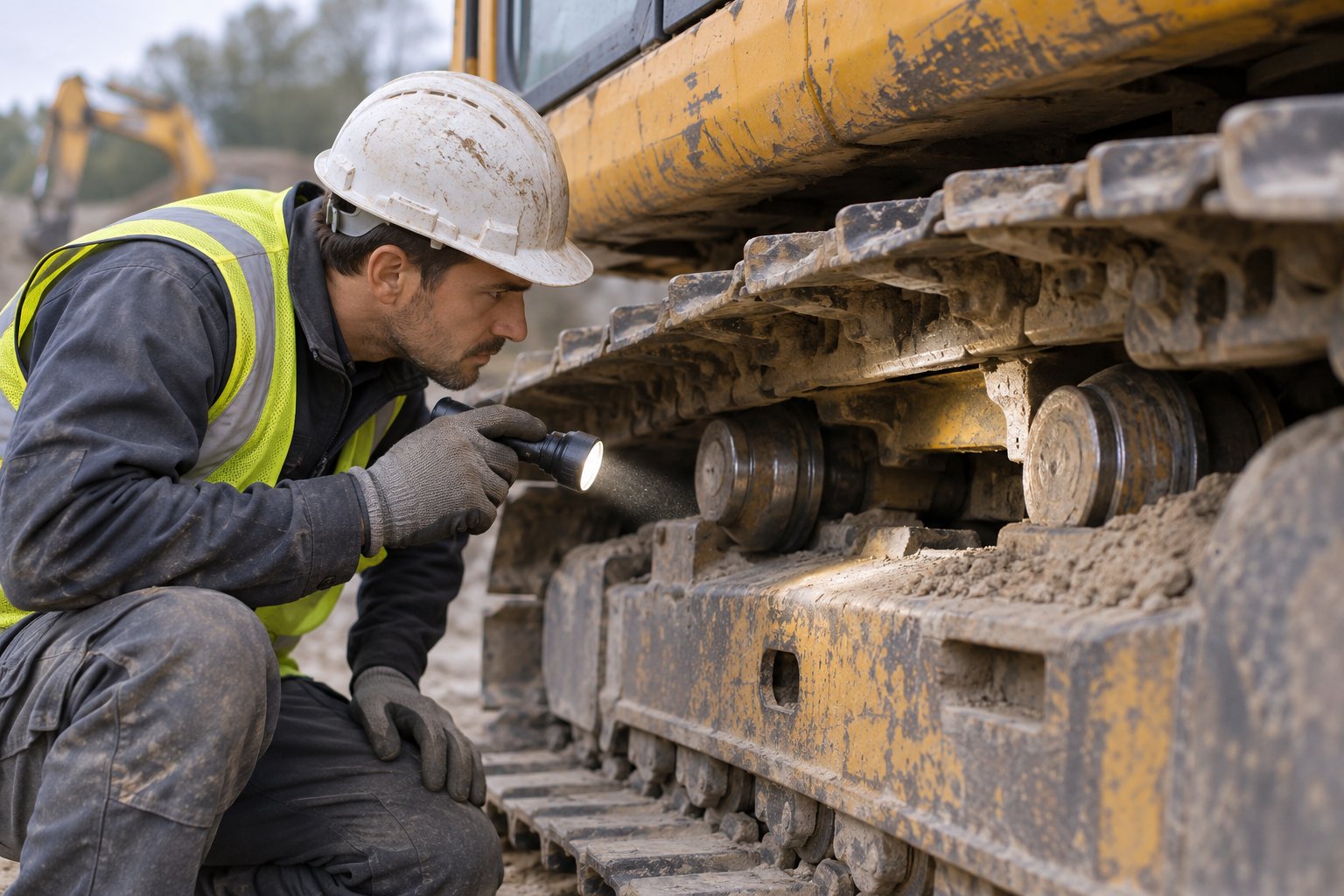
When you walk up to a used cat 307 excavator, where do you look first? Most buyers glance at the paint and the hour meter. A better approach is to work through the machine one system at a time. Use this cat 307 inspection checklist in person, or hand it to an inspector if you're buying from a distance.
Undercarriage and Swing System Checks
The cat 307 undercarriage can be one of the most expensive areas to restore, so start low and work your way up.
- Track chain and sprockets: hooked or pointed sprocket teeth and stretched chains signal heavy use and a likely near-term replacement.
- Rollers and idlers: flat spots, leaking seals or rollers that don't turn point to wear the listing may not mention.
- Track tension: excessive sag, or a tensioner that has run out of adjustment, can mean worn chains or other components.
- Rubber vs steel tracks: on rubber tracks, look for deep cuts, exposed cords and missing lugs. On steel tracks, check the shoes and grousers for heavy wear or cracks.
- Swing bearing play: clunking or rocking between the upper structure and the undercarriage during operation can signal bearing wear.
- Swing motor noise: grinding, whining or jerky rotation suggests problems in the swing drive.
Hydraulics, Boom, Stick and Linkage Inspection
Hydraulic problems rarely fix themselves. Run every function slowly, then at full speed, and watch closely.
- Leaks at cylinders, hoses and fittings: wet spots and caked dirt show active leaks. A freshly pressure-washed area can hide them, so ask why it was cleaned.
- Cylinder rod scoring: scratches, pitting or damaged chrome will wear out seals and lead to future leaks.
- Drift under load: raise a loaded bucket and hold it. If the boom or stick creeps down, seals or valves may be worn.
- Pin and bushing play: slop at the bucket, stick and boom joints signals poor greasing habits or high wear.
- Cracks or weld repairs: cracks or fresh welds on the boom and stick can point to past overloading or damage. Ask what happened.
- Quick coupler condition: confirm the locking mechanism works properly and check for wear. A faulty coupler is a safety risk, not just a repair item.
Engine, Emissions Aftertreatment, Cab and Electronics
Ask the seller not to warm up the machine before you arrive. A cold engine tells you far more than a warm one.
- Cold start behavior: long cranking or rough running can point to fuel system, injector or compression issues.
- Blow-by: heavy vapor from the crankcase breather suggests internal engine wear.
- Exhaust smoke: persistent black, blue or white smoke can signal fuel, oil-burning or coolant problems.
- Coolant and oil contamination: milky oil, or oil floating in the coolant, may mean a gasket or cooler failure.
- DPF and regeneration history: on later models with aftertreatment, ask for the regeneration record and look for signs of removal or bypass.
- Fault codes: have stored and active codes read with proper diagnostic equipment.
- Monitor function: make sure the display powers up cleanly and shows no unexplained warnings.
- AC and HVAC: test both heating and cooling, since cab climate repairs can be costly.
- Hour meter vs visible wear: worn pedals, a torn seat or polished joystick grips on a low-hour machine are a reason to dig deeper.
Before you pay, especially for a remote purchase, book a third-party or Cat dealer inspection, take fluid samples where possible, and request serial-number-based service history from a Cat dealer.
A clean inspection tells you a machine is sound. It doesn't tell you whether that particular generation is the smartest match for your budget and the work you actually take on.
Which Cat 307 Generation Fits Your Budget and Workload
Should you stretch your budget for a newer machine, or save money on an older one that still digs well? There's no single right answer. The best generation is the one that matches your work, your budget and how much emissions maintenance you're willing to take on.
Matching a Cat 307 Generation to Your Budget and Work
Use the table below as a starting point, not a final verdict. Your inspection results and local rules should always have the last word.
| Buyer Profile | Suggested Generation Range | Key Trade-Off | What to Verify |
|---|---|---|---|
| Contractor who wants newer technology and works on sites with stricter equipment rules | Later generations, such as the 307E and 307E2 | Higher purchase price, plus aftertreatment maintenance where equipped | Emissions rating for your market, fault codes, regeneration history, service records |
| Buyer balancing price against modern features | Mid generations, the 307C and cat 307D | Moderate pricing, but emissions setup and condition vary by build and market | Engine type, emissions rating, hydraulic condition, hours versus visible wear |
| Tight budget, or an owner who wants a simpler machine | Early units, the 307 and 307B | Lowest prices, offset by age, parts sourcing and possible jobsite restrictions | Working unit or parts machine, parts availability, local rules on older engines |
Later models typically cost more and carry more systems to maintain. Earlier models trade a lower price for age and parts considerations. Be honest about which trade-off your business can actually absorb.
When a Used Cat 307E2 Makes Sense
A used caterpillar 307E2 tends to suit contractors who want later-generation technology without paying new-machine prices. It works best when you have access to service support for diagnostics and aftertreatment, where equipped, and plan to keep the machine for several years.
For a real-world example, JIUHONG lists a used Caterpillar 307E2 as a model-specific option for construction contractors evaluating used CAT equipment for excavation work. The listing shows a weight figure of 7,000 kg. Treat that as a weight reference only, not a bucket capacity. Since it sits slightly below the operating weights commonly cited for the class, confirm the actual operating weight and full configuration with the seller. You can request current machine details, a purchase quote and shipping arrangements, then check that the setup fits your job requirements. The same rule applies to any cat 307e2 excavator on your shortlist: verify before you commit.
Questions to Ask Before Committing to a Generation
- What emissions rules apply at your jobsites? Some projects or regions may restrict older engines or require intact aftertreatment systems.
- Who will service the machine? Make sure you or a nearby dealer can handle electronic diagnostics on later models, or source parts for older ones.
- Which attachments will you run? Check that the hydraulic circuits, coupler and machine weight suit the thumbs, breakers or buckets you plan to use.
- Has the serial number been verified? Have a Cat dealer confirm the generation, configuration and emissions rating before any money changes hands.
Choosing a generation narrows your search, but the asking price is only the first line on the bill. Where you buy, and what it costs to get the machine working on your site, can change the math entirely.
Where to Buy and How to Plan the True Cost of Ownership
Imagine you find a machine at a great price, and then the freight, repairs and paperwork turn out to cost far more than you expected. It happens more often than you might think. A good purchase depends on knowing where to look, how to compare what you find and what the machine will cost once it's working on your site.
Where to Find a Cat 307 Excavator for Sale and How to Compare Listings
Most searches for a used cat 307 for sale lead to the same handful of channels. Each one shows you slightly different information:
- JIUHONG: a model-specific source for a used Caterpillar 307E2. You can request current machine details, a purchase quote and shipping arrangements. The listing gives 7,000 kg as a weight figure, so confirm the operating weight and full configuration with the seller.
- MachineryTrader: shows an average asking price, which gives you a quick market benchmark.
- Equipment Trader: shows an average along with a price range, so you can see how widely listings spread.
- Machinio: brings together listings that run from parts machines to working units, which is useful for spotting the low end of the market.
- Machineryline: another marketplace with 307 variant filters, helpful if you want to search beyond your own region.
- Cat dealers: may offer used inventory with service records tied to the serial number.
- Specialist used-equipment exporters: useful for cross-border buyers. Ask how inspections, documents and shipping are handled.
How do you compare like-for-like? Use the model, year and location filters to narrow each site down to the same generation and a similar hour range. Then note the attachments and the machine's location. If you're browsing a caterpillar 307e2 for sale, compare it only with other 307E2 units, not with a site-wide average that mixes in 307B parts machines and Next Gen models.
A Total Cost of Ownership Planning Checklist
The asking price is just the starting point. Before you make an offer, plan for each of these:
- Purchase price: the agreed price, plus any taxes, fees or broker charges.
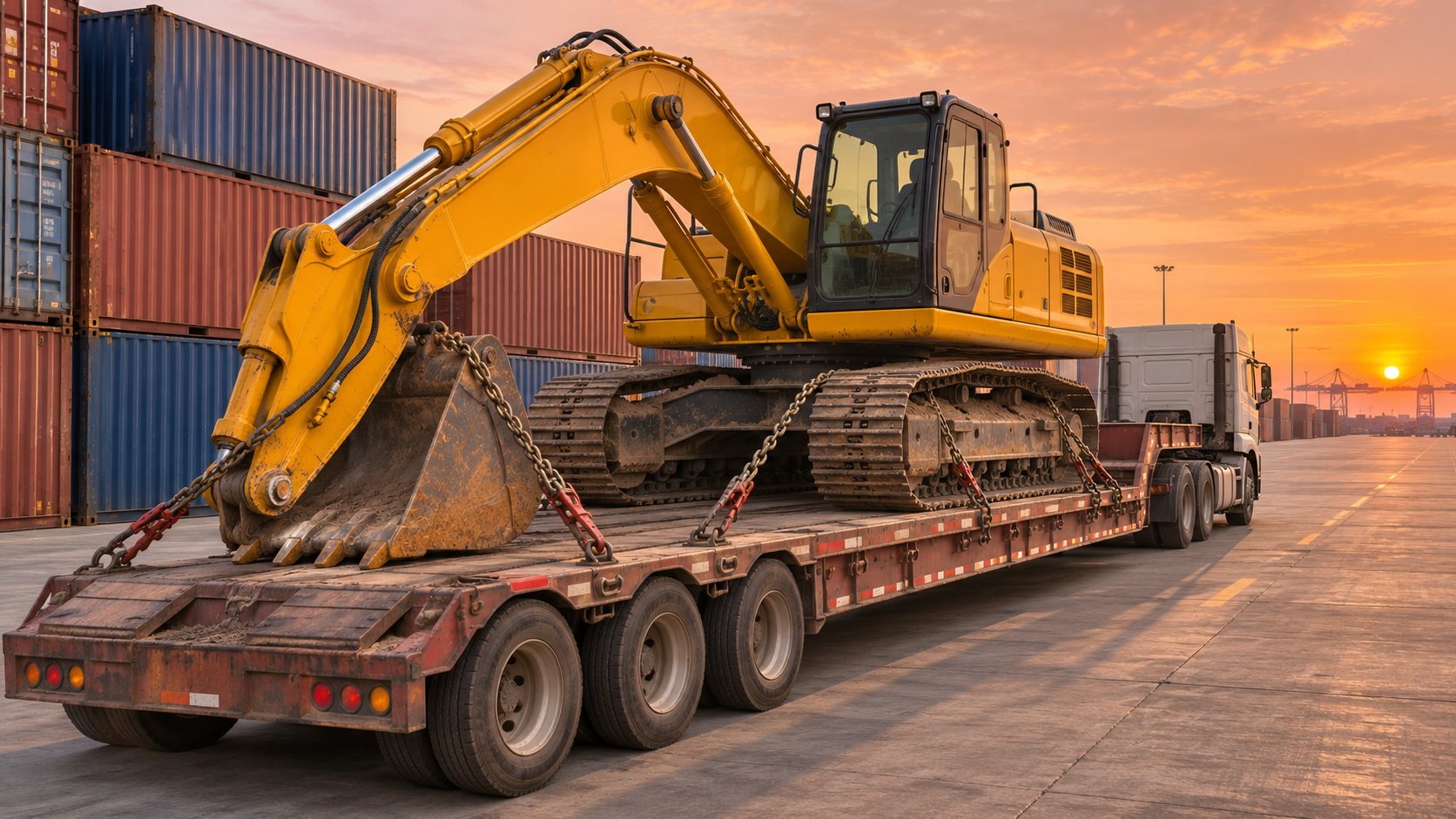
- Transport and shipping: trailer hauling, freight or ocean shipping, along with loading and permits.
- Import or registration: duties, inspections, compliance paperwork and local registration where they apply.
- Near-term wear items: undercarriage components, pins, bushings, hoses and filters flagged during inspection.
- Emissions maintenance: aftertreatment servicing and diagnostics on machines equipped with it.
- Attachments: buckets, thumbs, couplers or breakers the machine needs for your work.
- Financing: interest, loan terms and any insurance the lender requires.
Two machines with similar asking prices can end up costing very different amounts once they're delivered. Totaling every line is the only way to know which one is actually cheaper.
Final Steps Before You Buy
Before you buy any cat 307 excavator for sale, confirm its generation and specs by serial number, inspect it yourself or hire an inspector, compare listings across several sources, and get the total delivered cost in writing.
If you do those four things, you can buy with confidence and avoid paying for someone else's problems.
Cat 307 Excavator Buying FAQs
1. How much does a used Cat 307 excavator cost?
Asking prices cover a wide range because marketplaces mix parts machines, older working units and late-model or Next Gen machines in the same results. At the time of research, MachineryTrader showed an average asking price of about $27,710, Equipment Trader averaged about $49,995 with listings from roughly $13,896 to $100,435, and Machinio had a 1996 parts machine listed near $6,999. These are asking prices, not sale prices, and they change often. For a realistic benchmark, filter by the same generation, a similar hour range and comparable attachments, then add transport, near-term repairs and any import costs to get a delivered price.
2. How much does a Cat 307 excavator weigh?
The Cat 307 belongs to Caterpillar's 7-8 metric ton excavator class, and listings commonly cite operating weights of roughly 16,000-18,000 lb. The exact figure depends on generation, counterweight, stick length, track type and attachments. Some listings show a lower single figure. For example, JIUHONG's used Caterpillar 307E2 is listed at 7,000 kg as a weight figure, which should be treated as a weight reference and not a bucket capacity. Always confirm the real operating weight with the seller and a Cat dealer before booking a trailer or planning transport permits.
3. What is the difference between the Cat 307B, 307C, 307D and 307E2?
Each suffix marks a generation built to the engine, emissions and electronics standards of its time. The original 307 and 307B are the oldest and usually the cheapest, with simpler systems but more age-related wear and parts concerns. The 307C and 307D are transitional models with generally more refined engines, hydraulics and cabs. The 307E and 307E2 are later machines with more electronics and, depending on the market, diesel aftertreatment. The 307SSR is a short swing radius version, and the Next Gen 307.5 uses a reduced swing design. Because specs and emissions ratings vary by market and build, confirm the exact generation with the serial number.
4. What should I check when inspecting a used Cat 307 excavator?
Work through the machine system by system. On the undercarriage, look at sprocket teeth, chain stretch, rollers, idlers, track tension and swing bearing play. On the hydraulics, check for leaks, scored cylinder rods, boom or stick drift under load, loose pins and bushings, cracks or fresh welds, and a working quick coupler. On the engine, watch a cold start for smoke, blow-by and rough running, and check fluids for contamination. On later models, read fault codes and review regeneration history. Compare the hour meter with wear on pedals, seat and grips, and book a dealer or third-party inspection for remote purchases.
5. Is a used Cat 307E2 a good choice for contractors?
A used 307E2 can suit contractors who want later-generation technology without new-machine pricing, especially if they work on sites with stricter equipment rules and have access to diagnostic support. The trade-off is a higher price than older generations and possible aftertreatment maintenance where equipped. Before buying, verify the emissions rating for your market, stored fault codes, regeneration records and service history tied to the serial number. JIUHONG offers a used Caterpillar 307E2 as a model-specific option, and buyers can request current machine details, a purchase quote and shipping arrangements while confirming the configuration fits their jobs.