

What the Hitachi 85 Excavator Is and Why It Matters
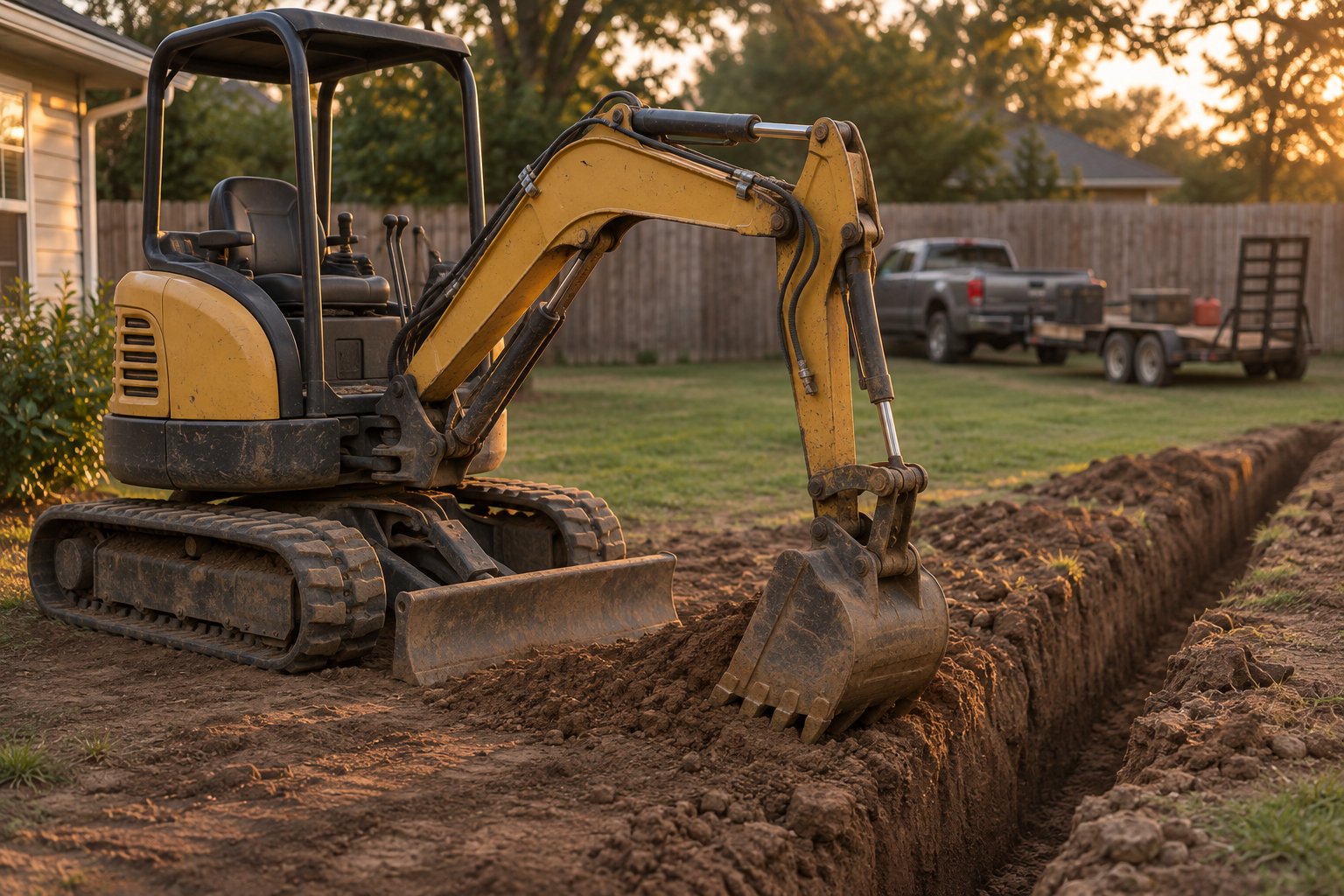
The Hitachi 85 excavator is Hitachi's Zaxis 85-class compact machine, sold in reduced or ultra-short tail swing form as the ZX85USB-5 and newer ZX85USB-7. Weighing roughly 8.5 to 9 metric tons, it sits in the midi or 8-ton class, larger than mini excavators but smaller than full-size construction excavators.
Have you ever stood on a tight job site and felt that a mini was too small but a full-size machine was too big? This machine is built for that gap.
What Is the Hitachi ZX85 Excavator
The ZX85 is a crawler excavator with a reduced tail swing, a swing boom and a standard blade. The current ZX85USB-7 is rated at 63.7 HP (47.5 kW) net, with an operating weight of 19,200 to 19,800 lb. The earlier ZX85USB-5 was listed at 18,800 lb with a 14 ft 10 in maximum dig depth. Hitachi publishes the same depth for the -7.
Where the Hitachi 85 Fits Among Hitachi Excavators
The 85 is the largest model in Hitachi's North American compact lineup. It sits above models such as the ZX50U, ZX60USB and ZX75US-7. Industry guides like FieldFix call the 7 to 10 ton range the midi class, which bridges mini excavators and full-size machines. In practice, this Hitachi excavator gives you production-level digging while staying far easier to haul and position than larger construction excavators.
Who Typically Uses a Hitachi Compact Excavator This Size
Hitachi aims the ZX85USB-7 at residential and congested work areas. Typical buyers include:
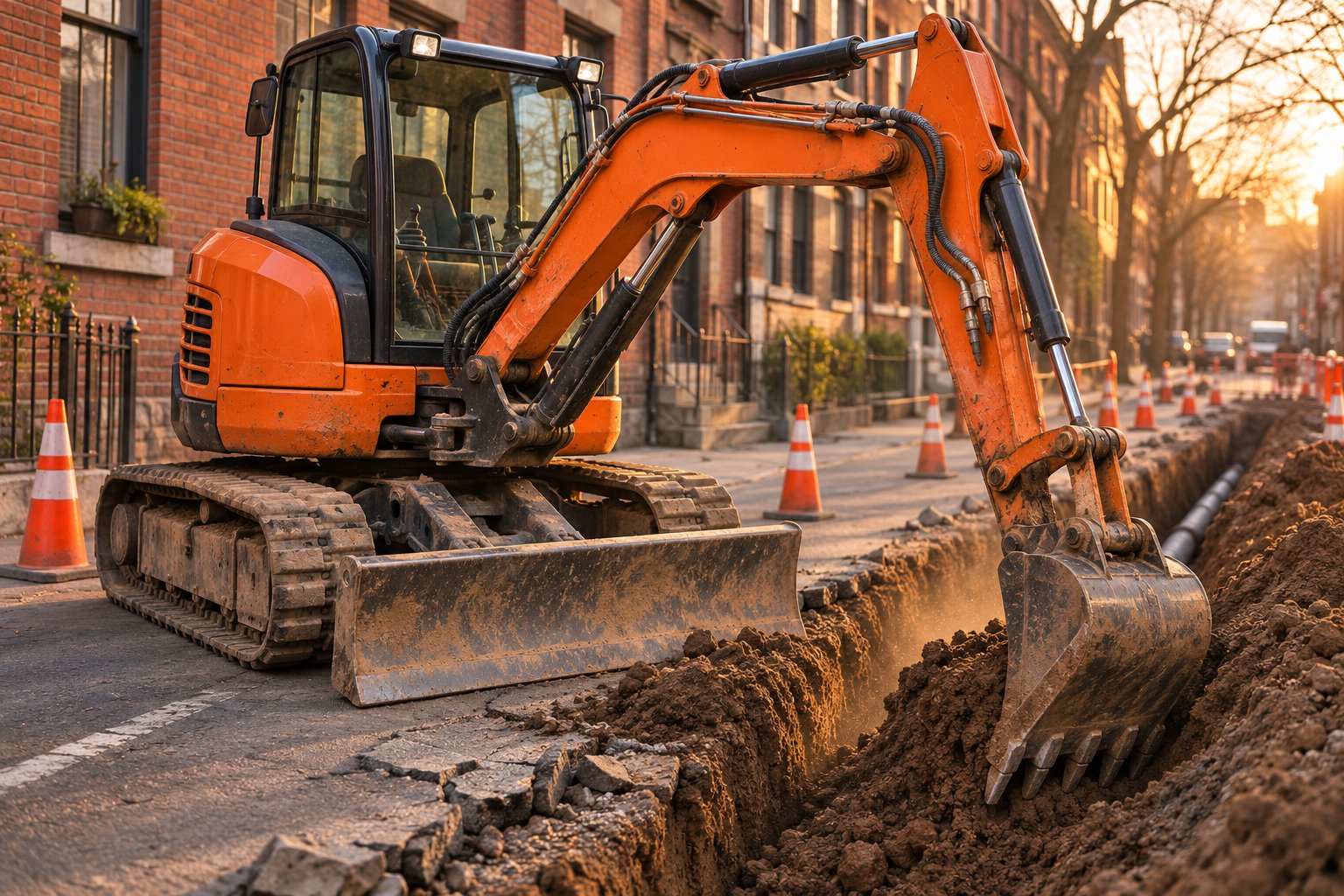
- Utility contractors trenching for water, sewer and power lines along streets
- Site-prep crews clearing, grading and digging footings on commercial lots
- Municipal fleets handling road, drainage and right-of-way maintenance
This guide explains how the machine works and how to evaluate it. It is not a dealer listing. Here is what you'll find:
- How to decode the model name and its generations
- Verified specs, translated into jobsite terms
- Arm length choices and lift capacity basics
- Uses for the reduced tail swing and angle blade
- A neutral comparison with other 8-ton excavators
- Maintenance checklists and parts essentials
- Guidance on buying, renting and choosing a configuration
The name on the boom is a good place to begin, because each letter in ZX85USB describes part of how the machine is built.
Decoding the ZX85USB Model Name and Its Generations
Ever looked at a listing that says ZX85USB-5 ANGLE and wondered what all those letters mean? Each part of the code tells you something useful about the machine. Once you can read it, comparing listings gets much faster.
Breaking Down ZX85USB Letter by Letter
| Code Element | Meaning |
|---|---|
| ZX | Zaxis, Hitachi's excavator product line |
| 85 | Size class within the Zaxis range |
| US | Ultra-short tail swing, which Hitachi also describes as reduced tail swing |
| B | Blade-equipped configuration |
| -5 / -7 | Generation, with -7 being the newer one |
One more detail matters here. The ZX85USB also has a swing boom, so you can dig offset right up against a wall.
Dash-5 Versus Dash-7 Generations of Hitachi Excavators
Generations are not just new paint. Each one usually brings changes to emissions compliance, the cab and electronics, and the hydraulics. Some markets, such as Europe, also had a Dash-6 version. For the Dash-7, reviewers and Hitachi have confirmed these updates:
- Engine: The Australian-market model uses a Yanmar four-cylinder, common rail diesel that meets EU Stage V. It has a DPF and EGR, as noted in a Construction Sales review.
- Digging: Hitachi claims about a four percent gain in digging performance over the previous model.
- Cab tech: There is an 8-inch anti-glare monitor with a jog dial, saved attachment flow settings and Bluetooth.
- Safety: The Aerial Angle camera system gives a 270-degree bird's-eye view.
A Dash-5 can still be a capable machine. If you are deciding between the two generations, compare the official spec sheets for each one side by side, line by line.
How Model Codes Relate to Trackhoe Sizes
Across Hitachi excavators, the model number roughly follows the weight class in metric tons. A ZX17U is a very small machine, while ZX200-class units are full-size. Treat the number as a guide, though, not an exact weight. Hitachi lists the North American ZX85USB-7 at 8,286 to 8,994 kg, depending on configuration. The Australian review quotes 9.5 tonnes. That gap is why you should always check operating weight on the official spec sheet before you plan trailer loads or ground pressure.
Dealers also list ANGLE variants, such as a ZX85USB-5 with an angle blade instead of a straight dozer blade. That option changes how the machine grades and backfills, and we cover it in depth in the tail swing and blade section below.
A model code tells you what kind of machine you are looking at. The spec sheet tells you what it can actually do on the job.
Key Hitachi 85 Specifications Explained in Jobsite Terms
When you shortlist small excavators, three numbers usually come first: weight, horsepower and hydraulic output. Weight decides what trailer you need. Horsepower and hydraulics decide how hard the machine works once it arrives. If you're used to running a Hitachi mini excavator, you'll notice the 85 plays in a different league on all three.
Operating Weight, Horsepower and Hydraulic Output
Hitachi rates the current ZX85USB-7 at 63.7 HP net and 19,200 to 19,800 lb. The Dash-5, as listed by RitchieSpecs, uses a Yanmar 4TNV98C-WHBW engine rated at 56.9 hp, fed by three variable-displacement axial-piston pumps. So the newer machine carries roughly 7 more horsepower and a bit more weight.
| Spec | Value | What It Means on the Jobsite |
|---|---|---|
| Operating weight | 19,200-19,800 lb (8,286-8,994 kg), Dash-7 (Hitachi) | Size your trailer and tow vehicle for the heaviest configuration, not the lightest. |
| Net power | 63.7 HP (47.5 kW), Dash-7; 56.9 hp at 2,000 rpm, Dash-5 | More power helps hold hydraulic speed in heavy digging and on slopes. |
| Hydraulic pump flow | 52.9 gpm (200 lpm), Dash-5 | Total flow shared across functions, which supports smooth combined boom, arm and swing moves. |
| Implement operating pressure | 3,771 psi, Dash-5 | Pressure is what turns flow into digging force at the teeth. |
| Max digging depth | 14 ft 10 in (4.53 m), Dash-7 (Hitachi) | Check against your plan depths and leave margin for a level trench floor. |
| Max reach at ground level | 24 ft 4 in (7.42 m), Dash-7; 24 ft 9 in, Dash-5 | How far you can dig or place spoil before repositioning the tracks. |
| Max cutting height | 23 ft 5 in (7.14 m), Dash-5 | Dump height is lower and is not listed in these sources, so take it from the spec sheet before matching trucks. |
| Bucket digging force (SAE) | 10,476 lb, Dash-5 | Force from curling the bucket, key for tearing through hard clay. |
| Arm digging force (SAE) | 6,902 lb, Dash-5 | Force from pulling the arm in, which matters during long trench strokes. |
| Tail swing radius | 4 ft 11 in (1.49 m), Dash-5 | How far the counterweight travels when you rotate beside a wall or lane. |
| Drawbar pull | 14,661 lb, Dash-5 | Tractive effort for climbing, pushing with the blade and tracking out of mud. |
Digging Depth, Reach and Breakout Force in Practical Terms
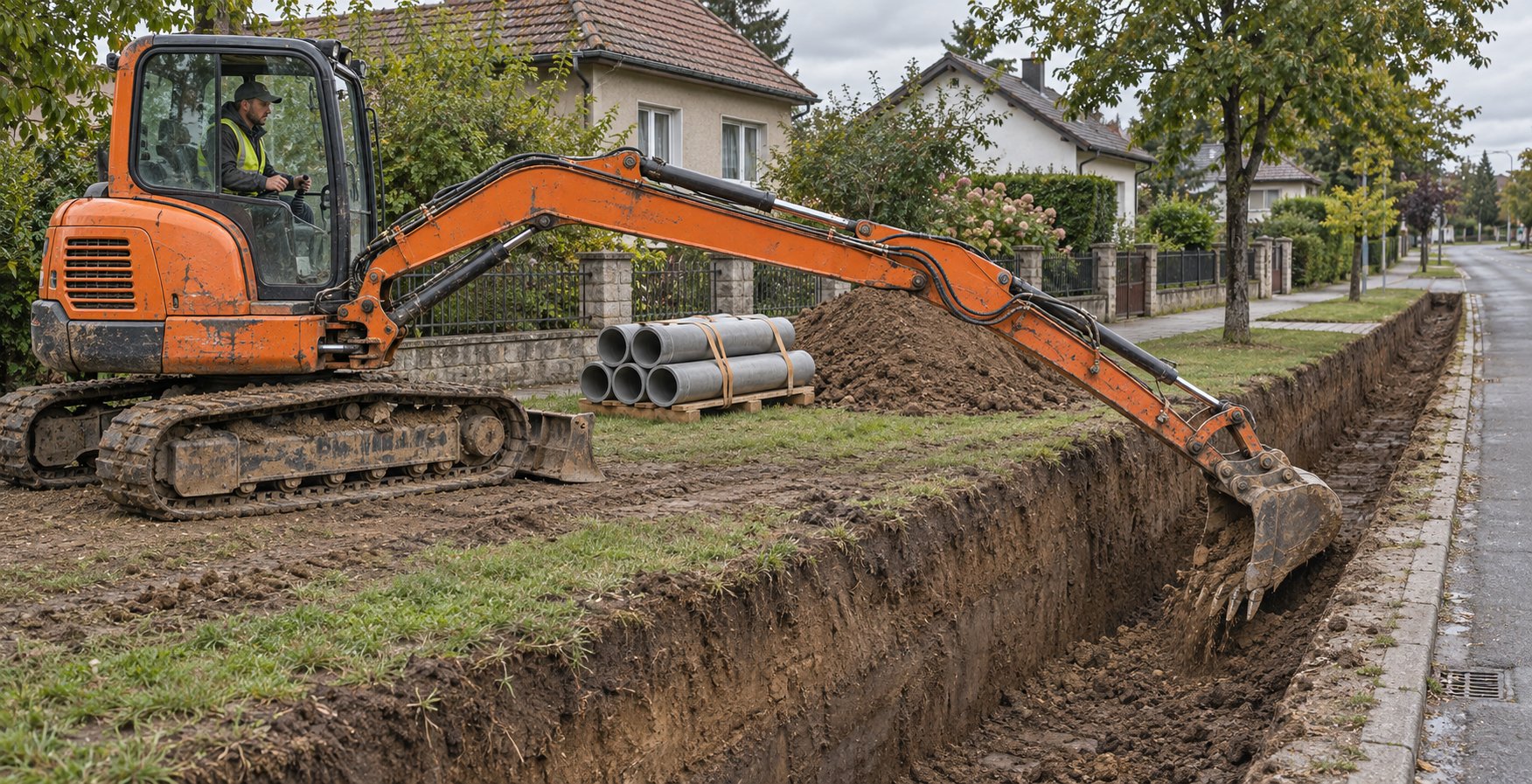
Imagine trenching for a water line along a street. A reach of about 24 feet means you can drop spoil well back from the trench edge. That keeps weight off the wall and leaves room for pipe staging. The bucket force figure tells you how the machine will feel in compacted ground. Shoppers searching for a mini Hitachi often underestimate how much those extra pounds of breakout help in rocky fill.
A Transparent Note on Spec Data Accuracy
Third-party databases are handy, but they can conflict. CEG lists a Max Digging Reach of 2.53 ft (0.77 m), which clashes with its own 24.78 ft reach along ground. The same Dash-5 data shows a 566 psi relief valve pressure, below the 3,771 psi operating pressure. Weight figures also vary between sources. This article cross-checks against Hitachi's published literature wherever it exists.
Always confirm figures against the official Hitachi spec sheet for your exact generation and configuration.
One more caveat matters. The published working-range data applies only to the 2.12 m arm, while two longer arms are also offered, and each one shifts these numbers in its own direction.
Arm Options and Lift Capacity on the Hitachi ZX85
Picture two crews with the same machine. One is digging deep sewer laterals. The other is setting trench boxes and loading trucks all day. Should they run the same arm? Probably not. CEG lists three arm lengths for the ZX85USB-5: 2.12 m (6 ft 11 in), 2.96 m (9 ft 9 in) and 3.61 m (11 ft 10 in). Yet working-range figures are published only for the shortest one. So how do you choose?
Choosing Between the 2.12 m, 2.96 m and 3.61 m Arms
Think of the arm as a lever. A longer lever reaches farther, but it gives up force and stability at the tip. With excavators, small changes in arm length shift the whole balance of the machine.
| Arm Length | Best Suited For | Trade-Offs |
|---|---|---|
| 2.12 m (6 ft 11 in) | General digging, truck loading, lifting pipe and trench boxes | Least reach and depth, but the strongest breakout, best lifting stability and quickest cycles. The only arm with published working-range data. |
| 2.96 m (9 ft 9 in) | Deeper utility trenches and work where you need a bit more reach | More depth and reach than the short arm, with lower breakout force and reduced lift ratings at the same radius. |
| 3.61 m (11 ft 10 in) | Ditch cleaning, sloping and reaching across obstacles | The most reach and depth, but the lowest breakout and lift capacity. Slower cycles when loading trucks. |
Since per-arm figures are not published in these sources, ask a dealer or check the Hitachi spec sheet for the longer arms before you commit.
Understanding Lift Capacity and Load Charts on a Small Excavator
Lift charts are manufacturer-issued tables that show safe loads at different positions, as Gregory Poole explains. On any small excavator, you read them the same way:
- Lift point radius: The horizontal distance from the machine's centerline to the load. Capacity drops as radius grows.
- Lift point height: How high the load sits. Find the row where height and radius cross.
- Over-front vs. over-side: Lifting over the front is more stable than lifting over the side, so front ratings are usually higher.
- Blade-down vs. blade-up: With the blade lowered on the lifting side, the machine gains support, and charts often list separate values.
- Rated vs. tipping load: Rated loads sit below the point where the machine would tip or the hydraulics would max out. Never plan a lift up to the tipping point.
Charts also depend on configuration, including arm length and counterweight. The reviewed sources do not include Hitachi load chart values for the ZX85, so use the operator's manual or the chart mounted in the cab for your exact arm.
A load chart is only valid for the arm, counterweight and blade position it was written for.
Bucket and Pin Considerations for Arm Changes
Swapping arms can affect which buckets fit. Before pairing a bucket with any arm on a Hitachi small excavator, confirm the excavator bucket pin diameter, pin spacing and ear width. If you run a quick coupler, check that it matches both the arm and your attachments. Remember that a coupler and heavier bucket add weight that comes straight off your lift capacity.
Arm choice also interacts with the machine's compact counterweight, which is where the short tail swing design shows both its strengths and its limits.
Reduced Tail Swing and Angle Blade Uses in Practice
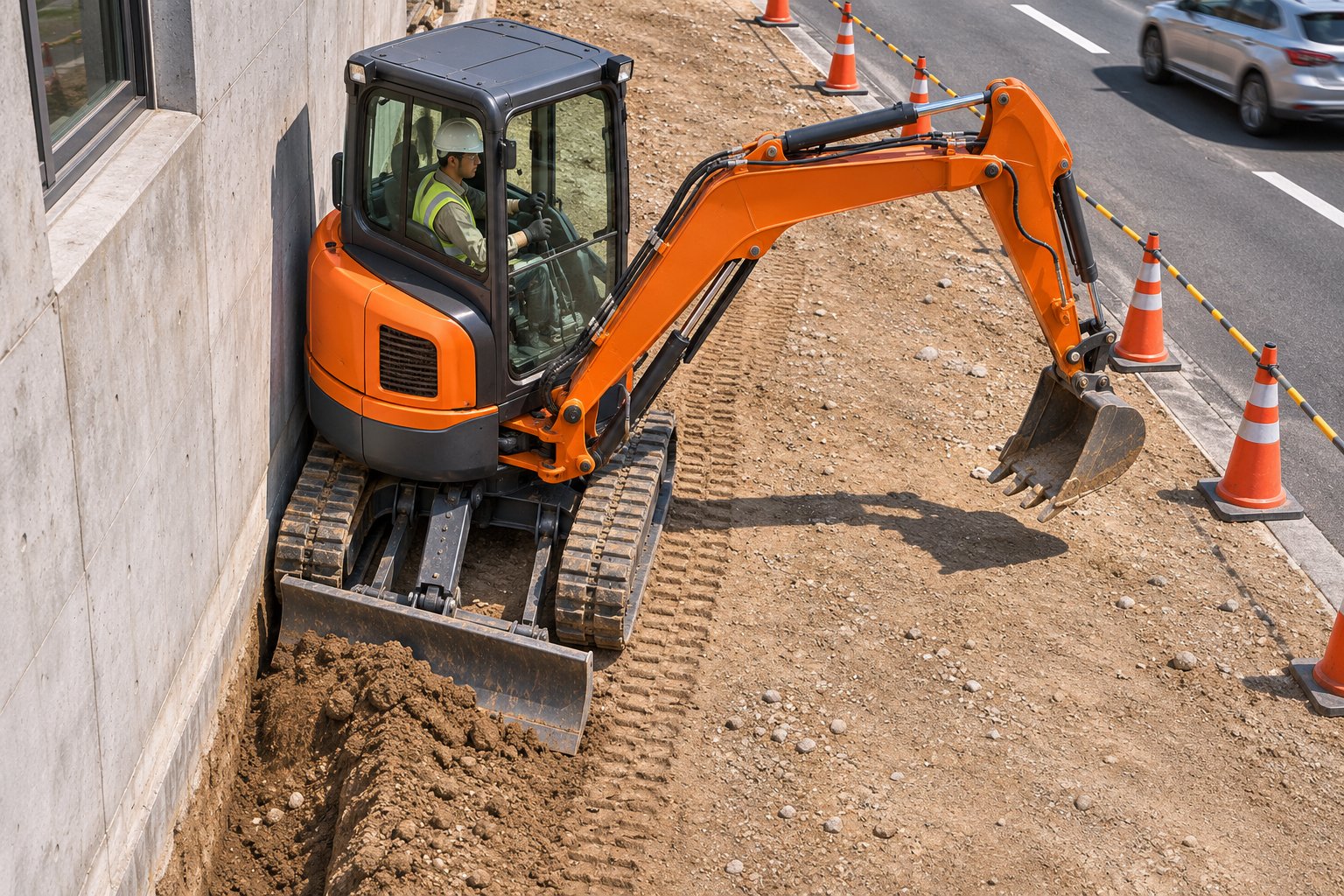
Imagine you're digging beside a building with traffic cones a few feet behind you. Every swing raises the same question: will the back end clear? The ZX85's ultra-short tail swing is built to answer that question for you.
Why Ultra-Short Tail Swing Matters in Confined Spaces
On a reduced tail swing machine, the upper housing extends no more than a few inches past the tracks as it rotates, as Compact Equipment explains. The verified tail swing radius for the Dash-5 is 4 ft 11 in (1.49 m). In practice, this Hitachi compact excavator lets you:
- Work tight against walls, fences and property lines without constant repositioning
- Swing in an active traffic lane without the counterweight crossing into the next lane
- Keep the rear clear of spoil piles and ground crews along trench edges
- Rotate freely on tight urban lots crowded with trucks and materials
Fewer contacts with structures also mean fewer damage claims and safety incidents, a point Gregory Poole stresses for roadway and utility work.
Stability Trade-Offs Operators Should Understand
Compactness has a price. When the counterweight is tucked in, less mass hangs behind the tracks to balance a load.
Pros
- Less risk of striking people or objects during rotation
- Less repositioning in confined work zones
- Safer, simpler operation beside traffic and structures
Cons
- Lower maximum lift capacity than a comparable conventional machine
- Less stability on slopes and uneven grades
- Weaker over-side lifting, blade-up lifting and traveling with loads
Industry engineers note that with the blade down and lifting over the front, compact and conventional designs lift about the same. The gap shows up over the side. That's why you should match the load chart to your actual swing position on any compact mini excavator.
Angle Blade Uses for Backfilling, Grading and Windrowing
The blade is far more than a dozer accessory. Because it mounts to the chassis rather than the boom, it can grade surprisingly well, as Construction Equipment reports. Here's how operators put it to work:
- Backfilling: Push spoil back into the trench after pipe is laid, with no second machine needed.
- Finish grading: Level pads, create slopes and shape drainage swales.
- Windrowing: Angle the blade to cast material to one side, building a spoil row or clearing a lane in one pass.
- Stabilizing: Keep the blade on the ground while digging to pin the machine in place, and lower it on the lifting side for better ratings.
- Material handling: Use it to nudge rocks or slag into position for the bucket.
On a compact excavator, the blade is a grading tool, a backfill tool and a stabilizer, so lower it whenever you dig or lift.
Not every 8-ton rival makes the same tail swing choice, though, and that single design decision shapes how each machine stacks up against the Hitachi.
How the Hitachi 85 Compares With Other 8-Ton Excavators
Shopping the 8-ton class can feel like comparing six versions of the same machine. On paper, the numbers sit close together. On the jobsite, small differences in tail swing, power and support can shape your whole day. So where does the Hitachi land?
Hitachi 85 Versus Other 8-Ton Compact Excavators
The table below uses manufacturer or dealer-published figures only. Where no verified number was available, the cell says so instead of guessing.
| Model | Tail Swing Type | Operating Weight | Engine Power | Notable Strengths |
|---|---|---|---|---|
| Hitachi ZX85USB-7 | Ultra-short (reduced) tail swing | 19,200-19,800 lb (Hitachi) | 63.7 HP net | Swing boom for offset digging, 270-degree Aerial Angle camera, 8-inch monitor with saved attachment flow settings |
| Deere 85G | Reduced tail swing | Verify with manufacturer | Verify with manufacturer | Verify with manufacturer |
| Kubota KX080-5 | Tight tail swing | Verify with manufacturer | 66.6 HP gross (Glenn B. Dorning) | Two-pump load-sensing hydraulics, quiet 72 dB cab, KubotaNOW telematics |
| Cat 308 CR | Compact radius | Verify with manufacturer | 74.3 HP gross | Load-sensing hydraulics up to 167 lpm, Stick Steer travel mode, cruise control, reach just over 24 ft |
| Komatsu PC88MR-11 | Minimum swing radius, tail within track width | 19,400 lb (8,800 kg) (IronMart) | 68 HP net | Standard KOMTRAX telematics, 1,200 mm tail swing radius |
| Takeuchi TB290 | Verify with manufacturer | 18,585 lb (8,430 kg) (Takeuchi) | 69.2 HP (51.6 kW) | Load-sensing hydraulics, 15 ft 0.3 in dig depth, quick-connect attachment system |
Notice the mix of gross and net ratings. Gross power is measured before engine accessories take their share, so it always reads higher than net. Compare like with like before you crown a winner. Close rivals can also be nearly identical in the bucket. IronMart puts the Dash-6 Hitachi at 66.4 kN of bucket digging force versus 65.7 kN for the Komatsu, a gap you would never feel in the seat.
How the Takeuchi Compact Excavator TB290 Compares
People often lump every Takeuchi digger in with the brand's mini machines. The TB290, though, is a true midi rival. This Takeuchi compact excavator weighs slightly less than the Dash-7 Hitachi and lists a dig depth about two inches deeper than Hitachi's 14 ft 10 in. Takeuchi pitches it on breakout force, smooth hydraulics and a roomy, operator-focused cab. If you already run a Takeuchi mini excavator, shared controls and attachments may make it an easy step up. Just confirm its tail swing design and whether the power rating is gross or net.
Choosing the Best Excavators for Your Workload
When specs land this close, the deciding factors are usually off the spec sheet:
- Dealer support near you: A nearby service shop shortens downtime more than a few extra horsepower ever will.
- Parts availability: Ask how quickly filters, pins and undercarriage parts ship.
- Attachment ecosystem: Check that your thumbs, augers and couplers fit without costly adapters.
- Control layout familiarity: Operators who know a brand's controls work faster and safer from day one.
- Resale considerations: Brand demand in your region affects what the machine is worth when you trade it in.
Parts availability sits on that list for a reason. Whichever machine wins your shortlist, its real productivity depends on the care it gets every morning before the first bucket of dirt.
Maintenance Checklist and Hitachi Excavator Parts Essentials
Why does one ZX85 run strong for years while another keeps showing up on the shop floor? Usually it comes down to the boring stuff: a few minutes of checks every morning and service done on schedule. A daily walkaround takes about 10 to 15 minutes once you know the routine, according to Heavy Equipment Colleges of America.
Daily Checks for a Hitachi 85 Excavator
Run through these before the first start-up of every shift. Follow the same order each time so nothing gets skipped:
- Engine oil level: Check it on level ground with the engine off.
- Hydraulic oil level: Read the sight gauge with the boom and arm in the position the manual specifies.
- Coolant: Check the reservoir only when the engine is cool.
- Fuel and water separator: Drain any water you find. Water in the fuel is bad news for a common rail diesel.
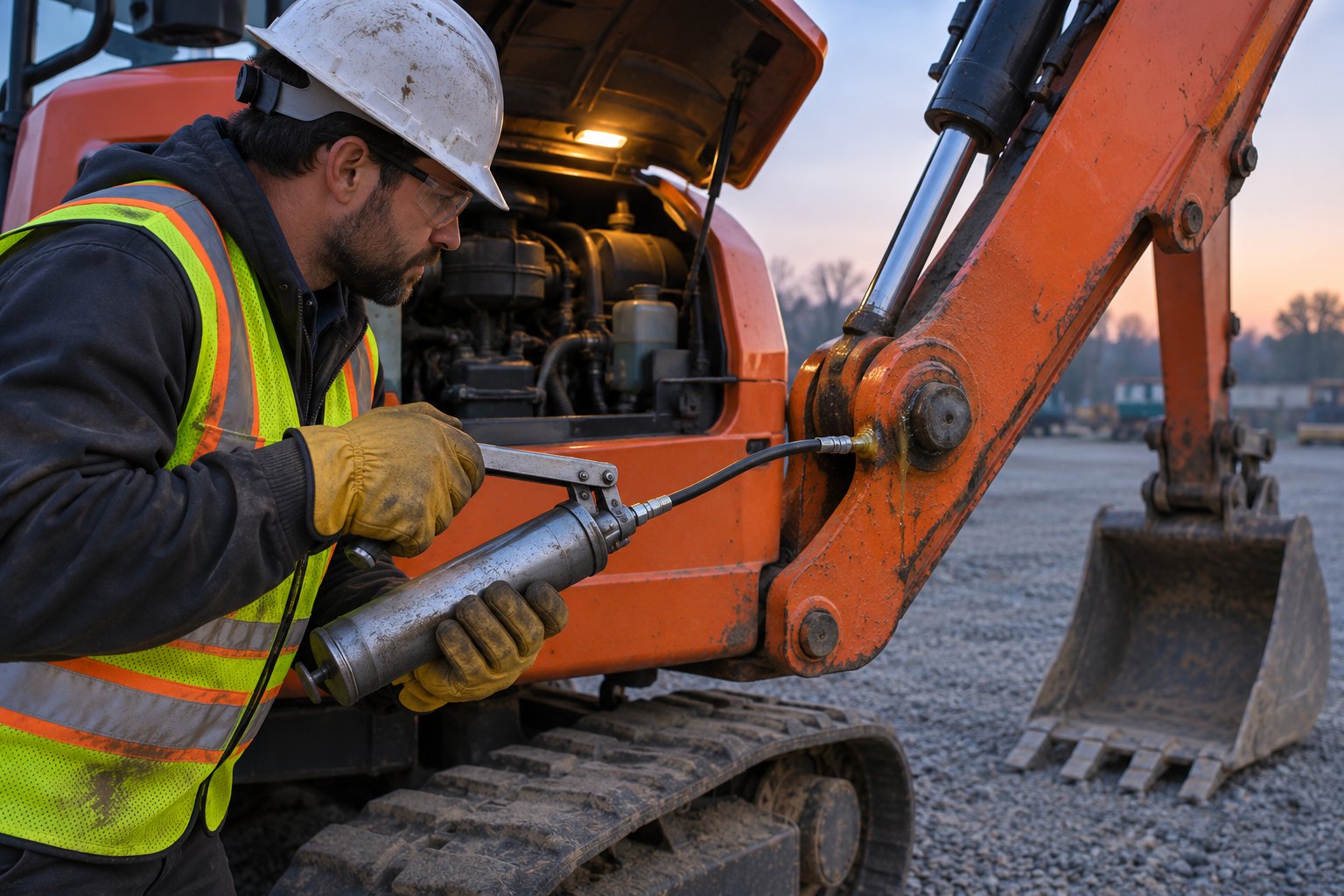
- Grease points: Grease the boom, arm and bucket pins, plus the swing boom pivot.
- Track tension: Look for sag, and clear out rocks or mud packed into the undercarriage.
- Visual leak checks: Inspect hoses, fittings and cylinders, and look at the ground under the machine.
If any item fails, don't run the machine. Tag it out and report the problem. A weeping hose or a loose pin can turn into a real failure once the machine is under load.
Service-Interval Items and Fluid Capacities
Deeper maintenance follows the hour-based intervals in Hitachi's schedule. Typical items include:
- Engine oil and filter changes
- Hydraulic filter replacement
- Swing gear and travel gear oil changes
- Air filter element service
- Coolant replacement
This guide won't guess at hours. The exact intervals are in the ZX85USB-7 operator manual, which covers serial numbers 30001 and up. If you run a Dash-5, use the manual for that generation. CEG publishes fluid capacities, but given the data conflicts noted earlier, confirm them against your manual before you order bulk oil.
Wear Parts Such as Bucket Pins and Ripper Teeth
Some parts are meant to wear out. Keep an eye on these:
- Bucket pins and bushings: A clunk at the end of each curl means play is building. Catch it early, before the pin bores wear oval.
- Teeth and adapters: Rounded teeth make the machine work harder for every bucket. Replace them before the adapters start to wear.
- Excavator ripper tooth attachments: A ripper is great for frost, hardpan and rocky fill. Check the shank tip for wear, and make sure the pin fit matches your arm.
Sourcing Hitachi Excavator Parts and Adding GPS
When you order Hitachi excavator parts, give the supplier your serial number and generation. Dash-5 and Dash-7 parts are not always interchangeable. Aftermarket filters and wear parts can work well, but they should match the spec in your manual.
GPS on excavators is another common upgrade. A Compact Equipment overview splits grade control into two main tiers. 2D systems use sensors or lasers to show bucket height and depth. 3D systems add GNSS receivers and a correction source, so the machine knows where it sits relative to a digital design. Aftermarket suppliers such as Topcon, Trimble and Leica offer both. Cost is the catch. The same overview notes that a $20,000 system on a $50,000 machine adds over 30 percent to the price. Still, one utility contractor reported needing two fewer ground workers after adopting the technology.
Daily checks prevent most breakdowns, and the operator's manual, not guesswork, sets the service schedule.
Every check and service also leaves a paper trail. When a machine changes hands, that trail can tell you as much as the hour meter does.
Buying, Renting and Choosing the Right Configuration
Do you need to own an 8-ton machine, or do you just need one on site for a few weeks? The answer mostly depends on how many days a year it will actually dig. Boom & Bucket estimated the ZX85USB-5 at about $95,000, so a little math before you sign makes sense.
New Versus Used Hitachi Excavators for Sale
| Option | Best For | Key Considerations |
|---|---|---|
| New | Fleets that keep the machine busy most of the year | You get Dash-7 features and a factory warranty. You also carry the highest upfront cost and the steepest early depreciation. |
| Used | Contractors who want 85-class capability for less capital | Condition varies widely. Confirm the generation, arm length, blade type and service history before you buy. |
| Short-Term Rental | One-off jobs lasting days or a few weeks | This is the highest cost per day. Delivery fees and limited availability can also add to it. |
| Long-Term Rental | Seasonal projects, or a trial run before you buy | Monthly rates usually work out far cheaper per day than daily rates. |
On generation, choose the Dash-7 if the camera system, the newer monitor and the Stage V-era engine matter to you. A well-kept Dash-5 is often the better value. On configuration, the 2.12 m arm suits general digging and lifting, and the longer arms suit reach-heavy ditch work. If your crew backfills and grades a lot, look for an angle blade.
What to Inspect on a Used Hitachi 85
A well-maintained machine with high hours can be a better buy than a neglected one with low hours, as Houston Heavy Machinery points out. Check these items:
- Hour meter and service records: Look for documented oil, filter and hydraulic service.
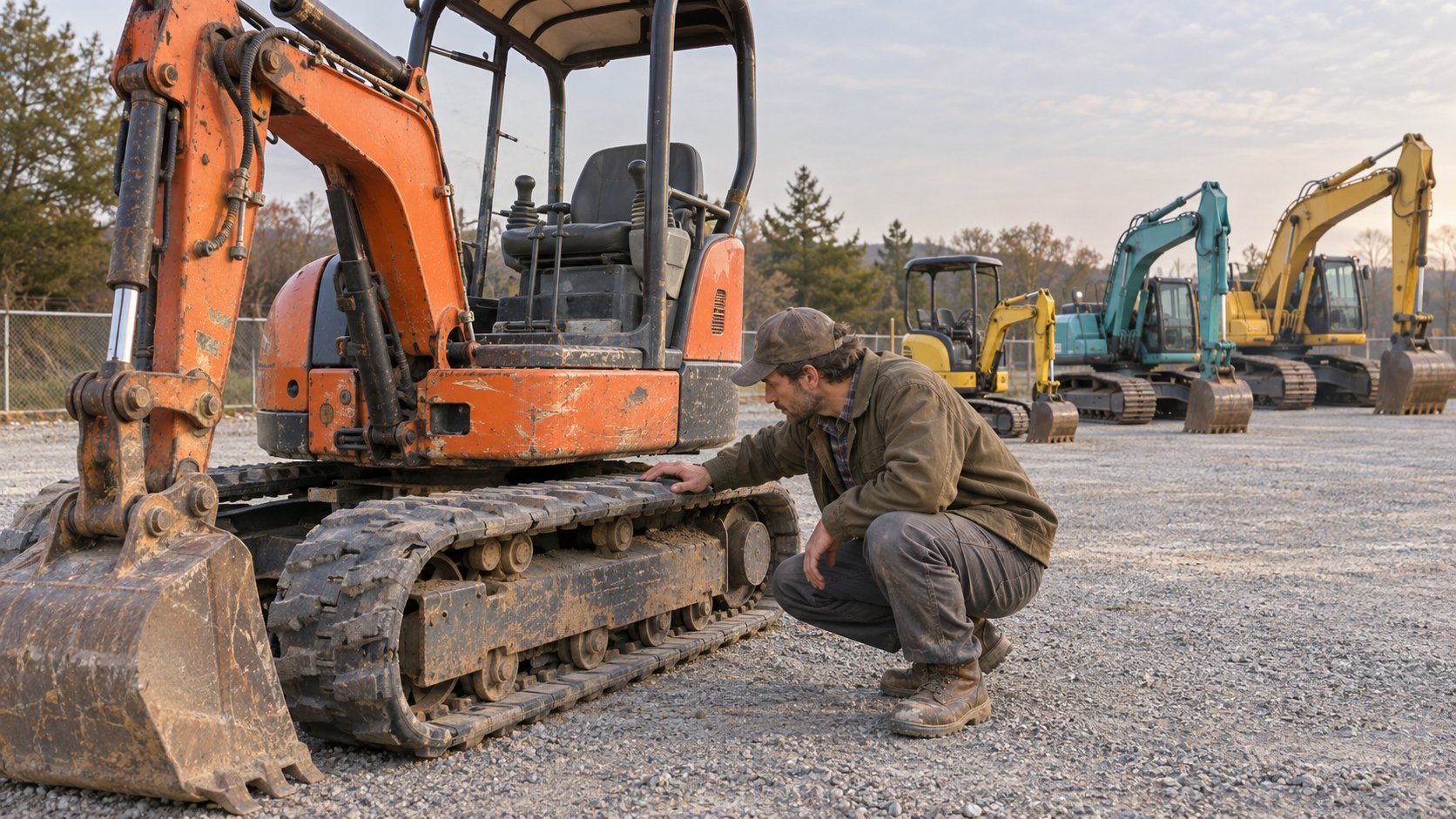
- Undercarriage wear: Inspect the sprockets, rollers, track links and track tension.
- Pin and bushing play: Watch for clunks and slop at the boom, arm and bucket joints.
- Hydraulic leaks: Check the lines, the cylinders and the final drives.
- Cylinder rod condition: Pitting or scoring will damage the seals.
- Swing bearing: Listen for grinding and feel for play when you rotate.
- Engine start and smoke: Ask for a cold start. Hard starting or heavy smoke is a warning sign.
- Serial and generation verification: Match the serial plate to the listing so you know it is a Dash-5 or a Dash-7.
When Renting a Small Excavator Makes More Sense
Renting often wins for occasional work. In one rental-versus-ownership comparison, BeeHive Rental found that buying usually pays off only when a machine works 150 or more days a year. These factors drive mini excavator rental cost per day:
- Size class: Rates climb as machines get heavier.
- Duration: Weekly and monthly rates cut the per-day cost sharply.
- Delivery: Heavier machines need larger trailers, and transport costs rise with them.
- Attachments, damage waivers and fuel: Boom & Bucket put the ZX85USB-5 at 3.5 to 4.0 gallons of fuel per hour.
Expect fewer options in this size. The same rental guide calls the 3 to 5 ton class the most rented and describes 6 to 8 ton units as overkill for basic residential work. A search for small excavator rental near me may turn up plenty of minis but only a few 8-ton machines. Call ahead and reserve early.
The best excavators for your budget are the ones whose purchase or rental terms match how many days they will actually work.
Buying used narrows the choice to one more question: who is selling the machine, and can they prove it is the exact ZX85 you need?
Where to Source a Used Hitachi 85 or Labeled Alternatives
Have you found a seller with plenty of Hitachi excavators for sale but no ZX85 in sight? That happens often in the 8-ton class. The smart move is to ask for the exact machine you need, not to settle for whatever is sitting in the yard.
Requesting a Model-Specific Quote for a Hitachi 85
JIUHONG's used Hitachi excavator collection lets contractors, fleet buyers and resellers compare used Hitachi equipment and request model-specific quotes. The listings we reviewed do not show a ZX85, so treat the page as a place to send an inquiry, not as proof that one is in stock. When you ask, include the generation (Dash-5 or Dash-7), the arm length and the blade type. Then ask the seller to confirm availability in writing.
Clearly Labeled Hitachi Alternatives to Consider
The same collection lists these alternatives in different size classes:
- ZX50U: This Hitachi mini is smaller than the 85. Hitachi lists the current ZX50U-5N at 11,054 to 11,729 lb. It suits tight residential work, but it won't match the 85's reach or lift.
- ZX120-3: It is larger than the 85 class. Expect more digging power and a heavier load to haul.
- ZX200-3G: It moves toward large excavators and suits bulk earthmoving better than confined sites.
Does your job truly need an 8-ton machine? Then confirm ZX85 availability rather than substitute a differently numbered model. Trailer limits, load charts and tail swing all change with size.
Questions to Ask Any Used Equipment Seller
The used-buying advice from Volvo CE applies to any brand. Ask the seller:
- Can you send a photo of the serial plate and the full service history?
- Is there a recent oil analysis that shows metal contamination levels?
- Did the machine work in demolition, sandy or marine conditions?
- Can you provide a condition report on the wear parts and the undercarriage?
- Has anyone welded or drilled into the ROPS to fit accessories?
- What post-delivery support or warranty comes with the machine?
To choose a Hitachi 85, verify specs against official Hitachi literature, match the arm to your work, read the load chart for your setup, and confirm the exact model and generation with any seller.
Hitachi 85 Excavator FAQs
1. How much does a Hitachi 85 excavator weigh?
Hitachi lists the current ZX85USB-7 at 19,200 to 19,800 lb (about 8,286 to 8,994 kg). The range comes from configuration choices such as arm length, blade type and counterweight. The older ZX85USB-5 was published at around 18,800 lb, and an Australian-market review quoted 9.5 tonnes for its local spec. So the size number 85 is only a rough class indicator, not an exact weight. When you plan transport, size your trailer and tow vehicle for the heaviest configuration you might run, and confirm the figure on the official spec sheet for your exact generation and market.
2. What does the ZX85USB model name mean?
Each part of the code describes the machine. ZX stands for Zaxis, Hitachi's excavator product line. 85 marks the size class. US means ultra-short tail swing, which Hitachi also calls reduced tail swing. B indicates a blade-equipped machine. The suffix after the dash, such as -5 or -7, shows the generation, and some markets such as Europe also had a -6. If a listing adds ANGLE, the machine has an angle blade instead of a straight dozer blade. The ZX85USB also features a swing boom, which lets you dig offset right next to walls and curbs.
3. How deep can a Hitachi ZX85 dig?
Hitachi publishes a maximum digging depth of 14 ft 10 in (4.53 m) for the ZX85USB, and the same figure appears for both the Dash-5 and Dash-7. Reach at ground level is about 24 ft 4 in on the Dash-7. These working-range numbers apply to the standard 2.12 m arm. The optional 2.96 m and 3.61 m arms add depth and reach, but per-arm figures are not widely published, so ask a dealer or check the Hitachi spec sheet before choosing one. For trenching, leave some margin below your plan depth so you can clean up a level trench floor.
4. What is the difference between the Hitachi ZX85USB-5 and ZX85USB-7?
The Dash-7 is the newer generation with more power and updated tech. It is rated at 63.7 HP net, compared with 56.9 hp for the Dash-5's Yanmar engine. Hitachi also claims about a four percent gain in digging performance. Cab updates include an 8-inch anti-glare monitor with a jog dial, saved attachment flow settings and Bluetooth, while the Aerial Angle camera system adds a 270-degree overhead view. In markets such as Australia, the Dash-7 uses a Stage V Yanmar common rail diesel with a DPF and EGR. A well-kept Dash-5 can still offer strong value, but parts are not always interchangeable between generations, so always order using your serial number.
5. Where can I find a used Hitachi 85 excavator for sale?
Start with sellers that let you request a model-specific quote. JIUHONG's used Hitachi excavator collection helps contractors, fleet buyers and resellers compare used Hitachi equipment and submit inquiries, though the reviewed listings do not confirm a ZX85 in stock. When you inquire, state the generation, arm length and blade type you need, and ask for written confirmation of availability plus a serial plate photo. The collection does show models such as the smaller ZX50U and the larger ZX120-3 and ZX200-3G, but these are different size classes. If your job truly needs an 8-ton machine, confirm ZX85 availability instead of substituting, because trailer limits, load charts and tail swing all change with size.